Valletta City Fortifications
Walk the mighty bastions and ramparts that helped define Valletta as a fortress city. The walls frame dramatic sea views while telling the story of Malta's strategic role in Mediterranean history.

Walk the mighty bastions and ramparts that helped define Valletta as a fortress city. The walls frame dramatic sea views while telling the story of Malta's strategic role in Mediterranean history.
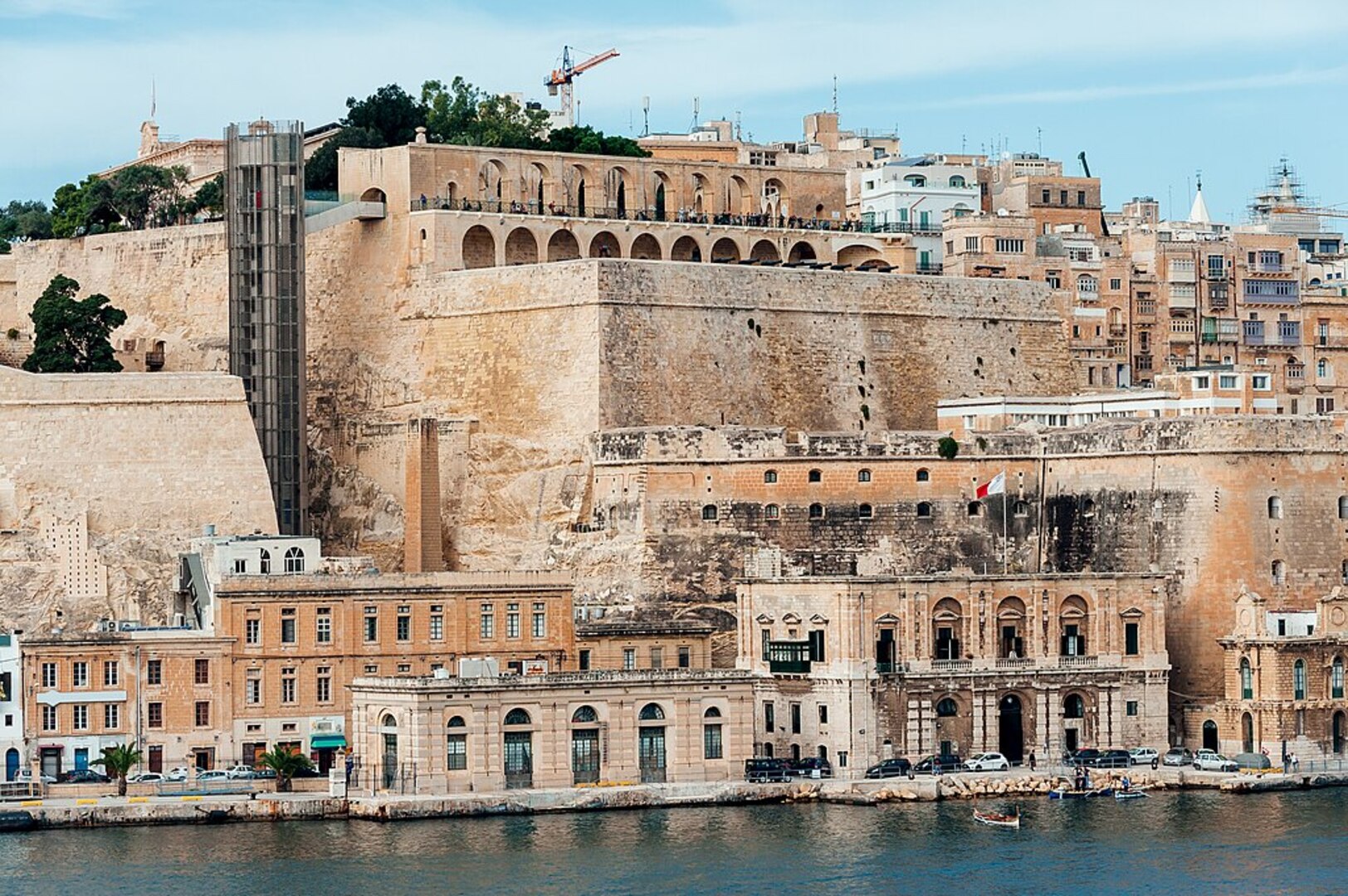
After the Great Siege of 1565, Valletta was built as a modern fortified capital with thick walls, angular bastions, and controlled gateways. This military design became one of the most advanced examples of early modern fortification in Europe.
The city's limestone ramparts still dominate the skyline and reveal how topography, artillery strategy, and urban planning were combined into a single defensive system.
Today, walking the walls gives visitors both architectural insight and some of Malta's most memorable harbor and coastline views.
Back to Valletta highlights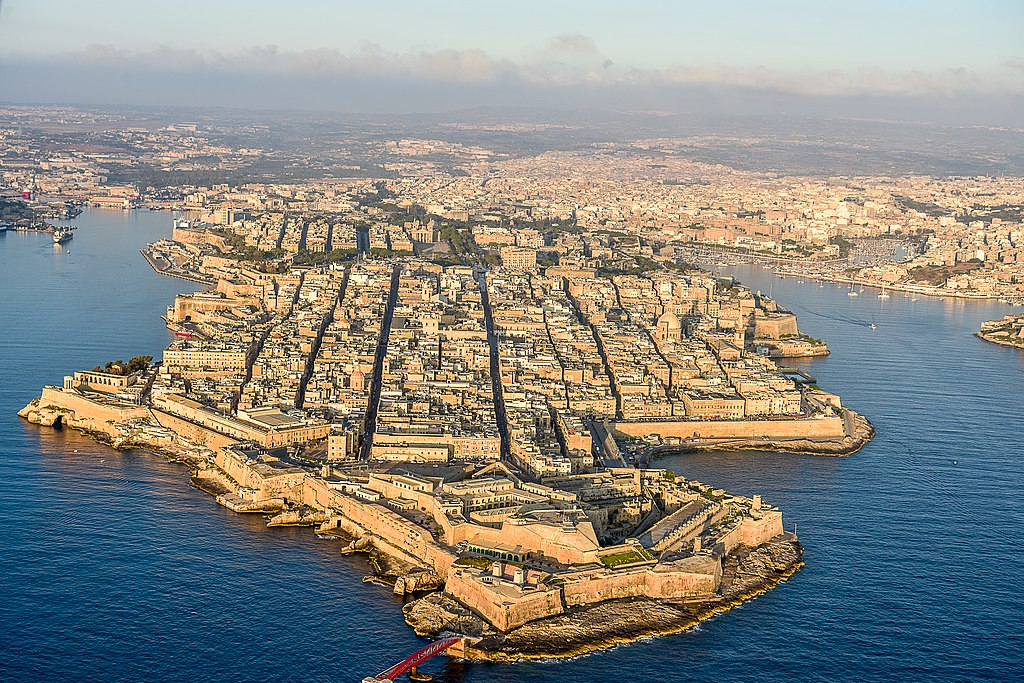
The projecting bastions were designed for overlapping lines of fire and broad defensive coverage across land and sea approaches.
The walls overlook key channels of the Grand Harbour, demonstrating why Valletta held strategic maritime value for centuries.
Entrances were engineered as controlled thresholds between open ground and the dense, protected streets inside Valletta.
Successive regimes preserved and adapted the defenses, allowing the walls to remain central to Valletta's identity today.
Use stable shoes for slopes, steps, and limestone paths that can become slippery in damp weather.
Morning and late afternoon produce strong contrast on limestone walls and vivid colors across the harbor.
Plan at least one hour for a focused wall walk, or longer if combining viewpoints and nearby monuments.
Link the fortifications with Upper Barrakka Gardens and city gate approaches for a complete defense-history perspective.