Valletta: Malta's Historic Capital
Discover why Valletta is one of Europe's most remarkable fortified capitals, where baroque streets, harbor defenses, and living city culture come together inside UNESCO-listed walls.

Discover why Valletta is one of Europe's most remarkable fortified capitals, where baroque streets, harbor defenses, and living city culture come together inside UNESCO-listed walls.
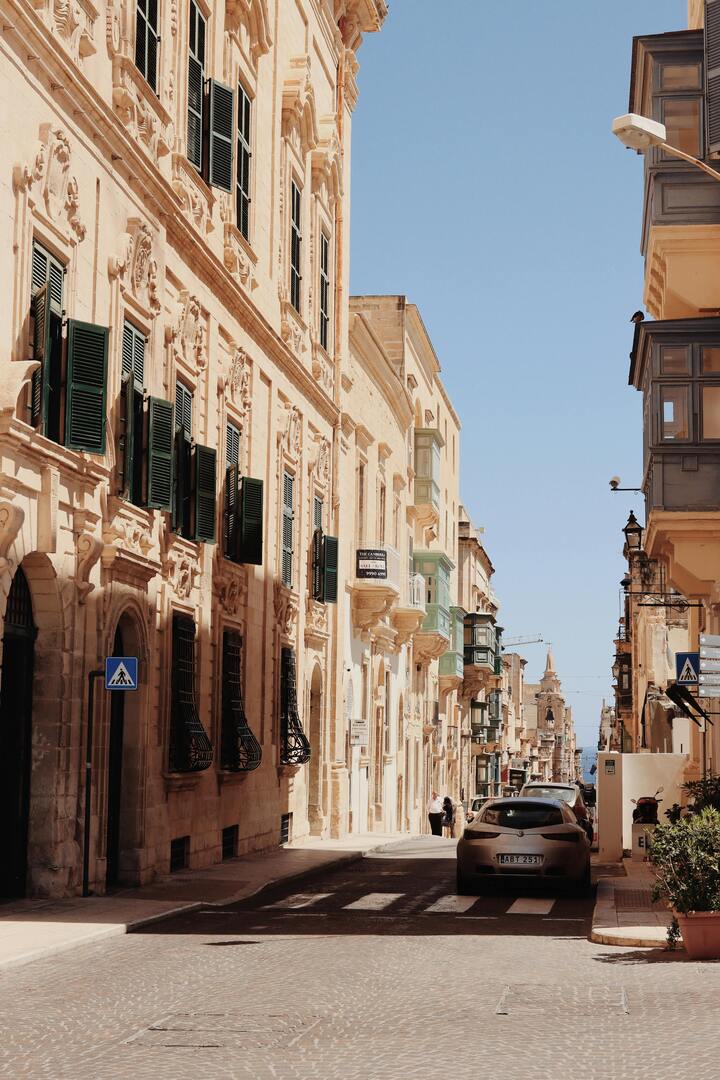
Valletta was founded by the Knights of St. John as a purpose-built capital with a strict street grid, defensive bastions, and commanding views over two major harbors. Its urban design reflects both military logic and civic ambition.
Across a compact walkable center, travelers find major churches, palaces, theaters, and waterfront viewpoints. Layers of knightly, colonial, and modern Maltese history are visible block by block.
This overview page helps frame a wider itinerary before you dive into individual landmarks such as St. John's Co-Cathedral, Upper Barrakka Gardens, and the Grand Master's Palace.
Explore Valletta experiences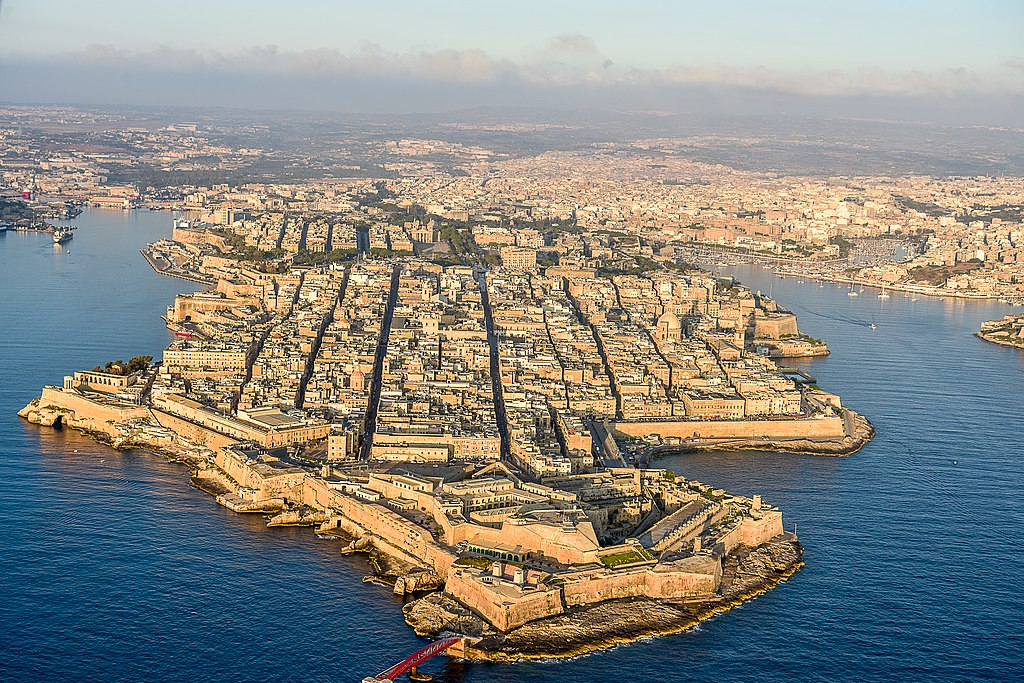
The city occupies a narrow ridge between harbors, giving it natural drama and strategic advantage.
In a small walkable area, visitors can combine major churches, civic buildings, gardens, and museums in one day.
Ferries, waterfront promenades, and harbor views connect Valletta to surrounding towns and day-trip routes.
Valletta is not only a monument city; it remains an active capital with daily local life, events, and civic institutions.
A full day covers key highlights, while two days allows slower exploration, museum visits, and ferry combinations.
The center is walkable; buses and ferries from outside city gate link Valletta with wider Malta.
Spring and autumn are comfortable for long walks; summer calls for earlier starts and midday indoor breaks.
Religious and historic interiors require respectful dress and behavior, especially during services and special events.